
Home » How to Compare Phones Based on Features
How to Compare Phones Based on Features

by bhs-ahEditor
In today’s world, the smartphone market is flooded with numerous options, making it challenging to choose the right one. Whether you’re a tech enthusiast or just someone looking to buy a new phone, focusing on features can help you make an informed decision. Here’s a simple guide to help you compare phones based on their features.

Display Quality

The display is what you interact with the most on a smartphone. It’s crucial to consider the size, resolution, and type of display. Look for features like AMOLED or LCD screens. AMOLED displays often provide sharper contrast and more vibrant colors compared to LCD. Additionally, consider the screen size that feels comfortable for you, usually between 5 to 7 inches for most users. High-resolution displays, often marked as Full HD or Quad HD, ensure clarity and a great viewing experience.

Battery Life

A smartphone is only as good as its battery life. Check the battery capacity, measured in milliampere-hours (mAh), to get an idea of its endurance. Phones with larger batteries, like 4000 mAh or above, typically last longer. However, the actual battery life can vary based on usage and other features. Look for reviews on real-world battery performance and consider if the phone supports fast charging, which can be a handy feature when you’re on the go.

Camera Capabilities

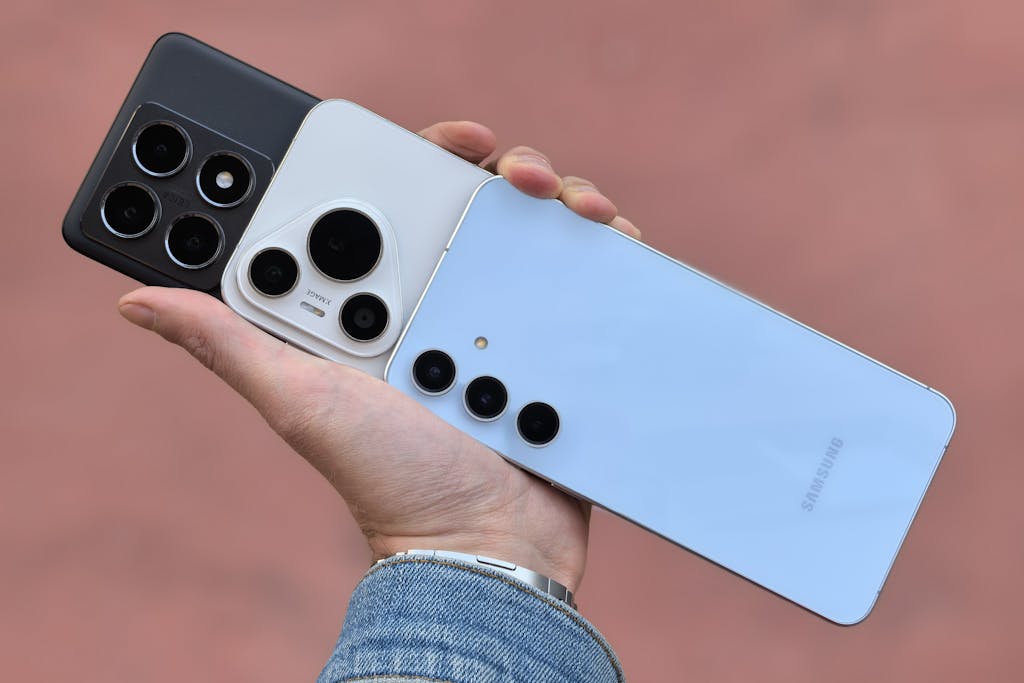
For many users, the camera is a key component in choosing a smartphone. Don’t just look at the megapixel count; consider features like aperture size, optical image stabilization, and low-light performance. Multi-lens setups often offer versatility with options like ultra-wide, telephoto, and macro lenses. If you’re into selfies, pay attention to the front camera’s specifications as well. Reading camera reviews and looking at sample photos can provide additional insight beyond just specs.

Operating System and Updates

The operating system (OS) dictates how your phone runs and interacts with apps. Most phones run on either Android or iOS. Consider which OS you are more comfortable with. Additionally, check how often the phone receives software updates, as these updates not only bring new features but also keep your phone secure from threats.

Storage Options

Decide how much storage you need. If you store a lot of photos, videos, or apps, a phone with at least 128GB of internal storage is advisable. Some phones offer the option to expand storage through microSD cards, which can be a plus. Don’t forget to consider cloud storage options available with various models.

Performance and Processor

A phone’s processor greatly influences its performance. Look for the type of processor and RAM configuration it offers. Devices with octa-core processors and at least 4GB of RAM are generally capable of handling everyday tasks efficiently. For gaming or intensive applications, a more powerful processor and higher RAM might be necessary.

Price and Value for Money

Finally, consider the price in relation to the features offered. While premium models provide cutting-edge technology, many mid-range phones offer excellent value for money with a balance of performance, design, and features. Set your budget and compare phones within that range to ensure you’re getting the best deal possible. By focusing on these aspects, you can compare phones effectively and select one that best meets your needs and preferences. Happy shopping!

You may also like